About the Report
With Mayor Mamdani’s appointment of Julie Su as the first ever Deputy Mayor of Economic Justice and his January executive order directing City Hall to cut fines and fees for small businesses, New York City’s approach to economic development may be shifting. Rather than incentivizing big business and new industries, the Mayor is indicating a focus on supporting the mom-and-pop shops whose costs are high and margins are thin. Such small businesses are essential to the fabric of our city, the everyday New Yorkers who depend on them, and the neighborhoods whose cultural and social lives are rooted in their success.
While cutting fines and fees is a step in the right direction, protecting these small businesses from the threats of displacement will require confronting several challenges at once, such as the fragmented regulatory system, exploitative commercial landlords, and lack of access to capital. In order to identify and enact the policies that will successfully confront these challenges, the City needs to elevate and empower civic engagement, leadership, and advocacy from small business owners themselves. Merchant organizing, with the support of local community-based organizations (CBOs), is the most impactful way to develop those leaders and build toward structural change.
In this report, we propose a model of merchant organizing that centers mom-and-pop shops, street vendors, and other small businesses. Through focus groups, we heard directly from those small businesses about their challenges and the potential they see in merchant organizing. We also heard from established groups like the East Village Independent Merchants Association and other CBOs conducting merchant organizing. With these learnings, we suggest that an economic development strategy that protects small businesses and neighborhood economies from gentrification and displacement must include significant investment in merchant organizing.
Why This Matters
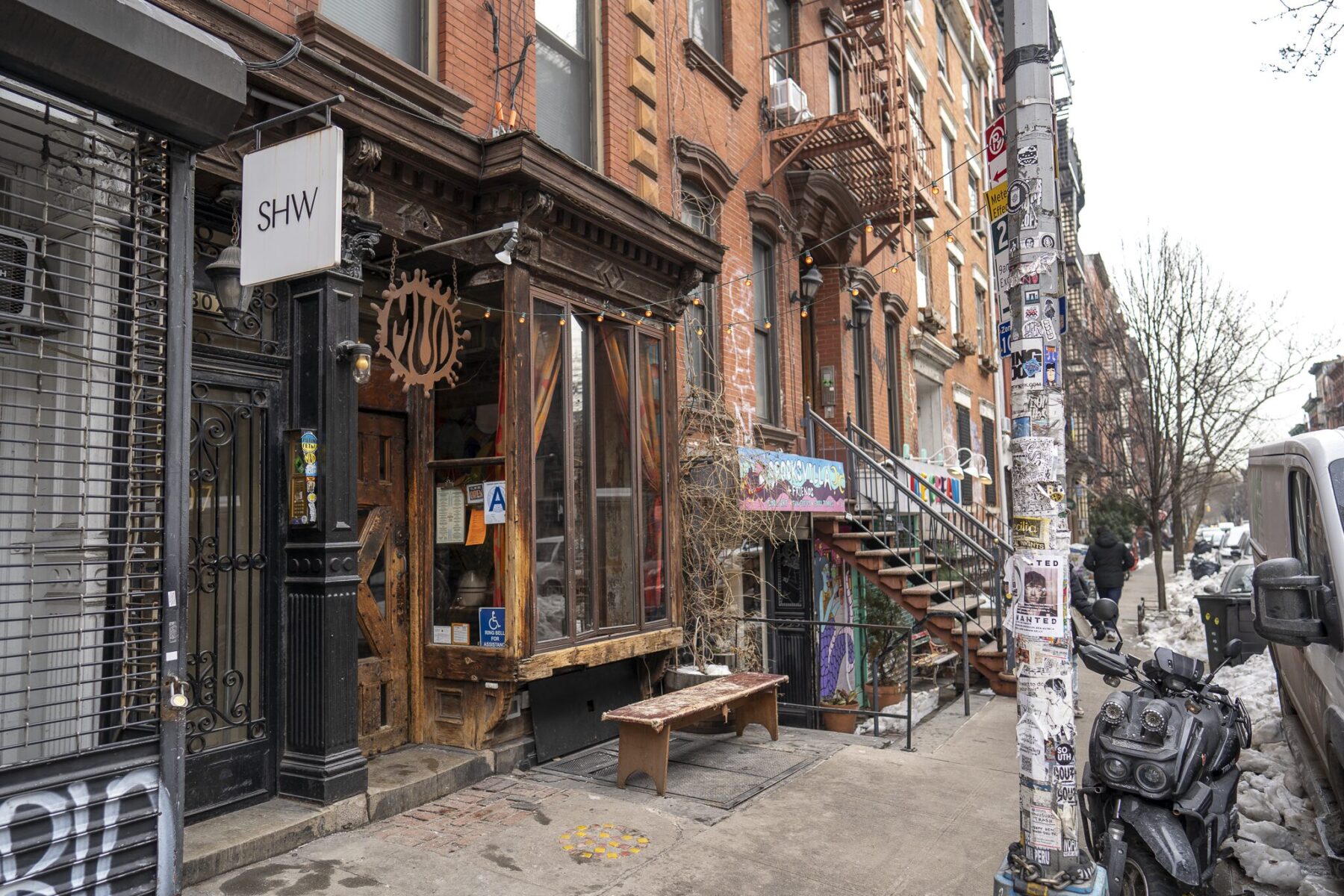
Owning a small business, like owning a home, is a major achievement for many New Yorkers. It can be a pathway to generational stability and wealth, as well as a means of daily survival for countless individuals and families. For many New Yorkers–particularly immigrants, low- to moderate-income families, and people of color–business ownership also comes with numerous vulnerabilities to exploitation and displacement.
In order to keep their doors open, small business owners are struggling against landlords, corporations, and banks that threaten to push them out. Despite the myriad challenges, small business owners remain committed to their communities and continue to play a vital and unique role. They not only provide goods and services that we rely on, but also act as cultural beacons, social glue, and safe spaces for all New Yorkers.
New York City’s small businesses need stronger protections and resources in order to thrive. One crucial way to help achieve those protections and resources is through organized neighborhood merchants associations and citywide coalitions that can collectively demand more. Without the leadership of small business owners themselves–including not just the most successful, but those businesses that struggle to keep their doors open–policy solutions will fall short. The city needs a framework for merchant organizing that can build grassroots power in similar ways to residential tenant associations and labor unions. This framework departs from the limitations of a traditional economic development framework, which often centers real estate interests and property values rather than the needs of small businesses themselves.
Without bold action, New York City will continue to suffer the losses of our small businesses–the mom-and-pop shops who make the city feel like home for the millions who live here. Building an activated base of small business owners and developing civically engaged merchant leaders is the first step. This type of rigorous organizing requires robust resources at the neighborhood level.
With a strong merchants association in every neighborhood, the City can be more responsive to on-the-ground needs of small businesses and implement solutions that work. This work requires public and private partners and community-based organizations to work together to organize merchants and the broader small business community, neighborhood by neighborhood. These partnerships and resources will ensure that our small business can remain the foundation of thriving New York City communities.
How We’re Organizing
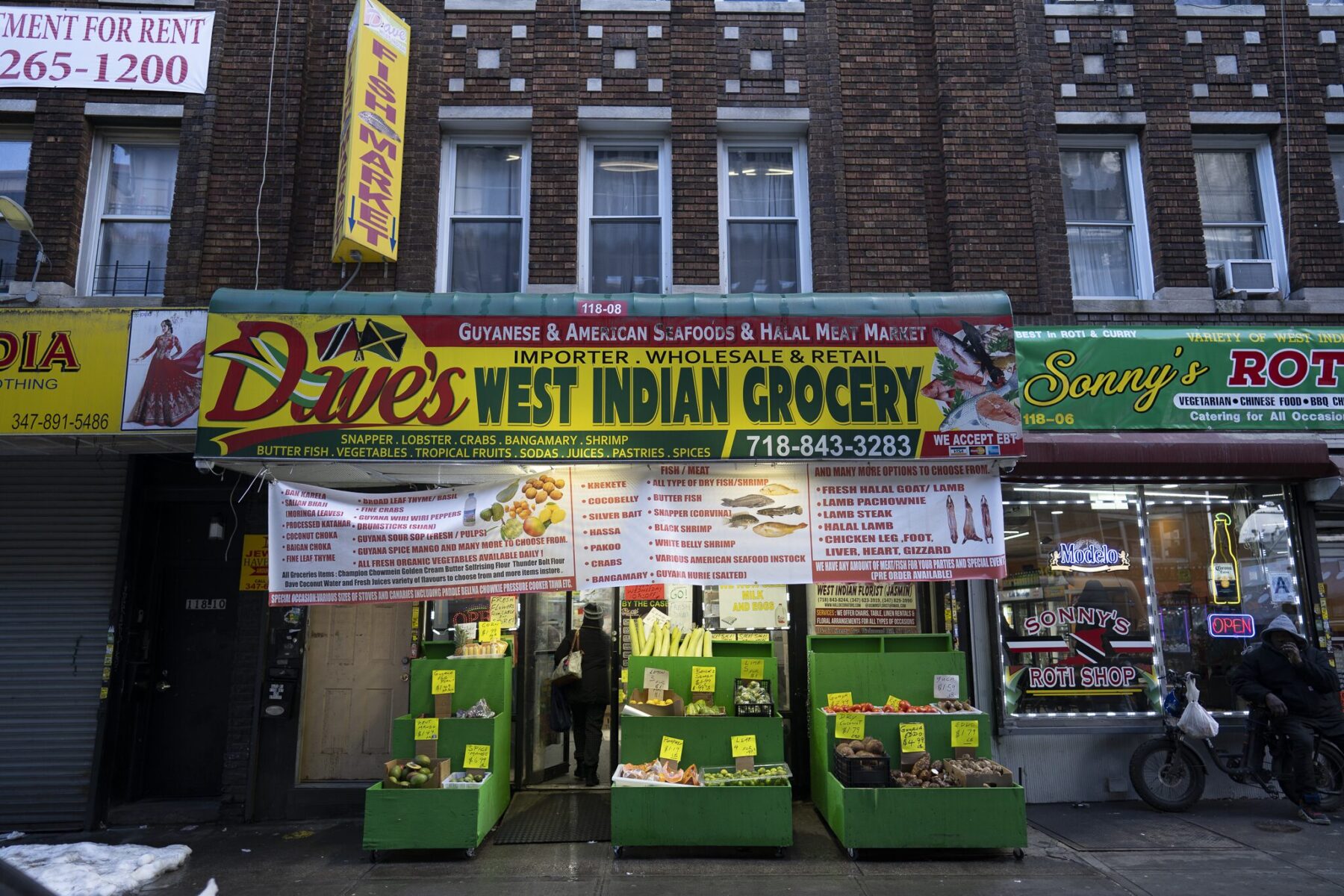
Some neighborhood-based small business communities have formed merchants associations in order to formalize and bring in additional resources, while others remain informal groups bound by social networks. Either way, local CBOs and citywide organizations can work alongside the existing community of small businesses in a corridor or neighborhood to provide support that would otherwise not reach them. Organizations such as ANHD partners Cooper Square Committee, Chhaya CDC, Northwest Bronx Community and Clergy Coalition, Street Vendor Project, and WHEDco have long histories of connecting small businesses to essential resources and technical assistance and are continuously doing outreach in order to make sure every single small business receives the information and services it needs. Especially in a regulatory environment that can be confusing and punitive, having a trusted source of information in the neighborhood can be a lifeline.
These organizations can use the trust they’ve worked to establish in order to formalize or reactivate a merchants association, or build an infrastructure for merchants to come together informally. Merchant organizers wear many different hats. They are service providers who try to address individual issues so that businesses can make ends meet and keep their doors open, but they are also conducting outreach, following up, teaching skills, and building the confidence of leaders. Ultimately, the merchant organizer’s goal is to build merchant leaders who can effectively bring their peers into collective processes that can lead to long-lasting systemic change. These processes can take the form of policy advocacy, local campaigns, fundraising, or many others.
“So while we’re maybe helping someone deal with their specific issue… we try to contextualize it within a broader social context where it’s not just their individual problem, but it could be a systemic problem. And that there may be some systemic solution that, while working together with other tenants–commercial tenants–they can address that systemic issue.” – Abigail Ellman, Director of Planning and Development at Cooper Square Committee
Long-term organizing makes policy wins possible. For example, the Street Vendor Project, their vendor members and leaders, and their coalition partners recently won historic legislation that reforms vendor licensing, invests in citywide small business services, and reduces criminal liability for vendors. According to Sally Weathers, Lead Organizer at the Street Vendor Project, the greatest tool that brought them this win was people power and the ability for vendors themselves to make demands of the elected officials who represent them. The members and leaders they developed over many years and the constant pressure they put on elected officials created a pathway to structural change that would not have been possible without organizing.
“If your business is big enough or you’re contributing enough to the right people, you get notice of what’s coming down the pipe, and we’re not big enough to have that kind of voice. But when we collect ourselves together, then we have a chance…. I start to learn about what questions I should be asking, what have other people been experiencing, not just stuck in a silent fear…. Now we start to create a critical mass that can push into the right places or into the right offices.” – Small Business Owner in Manhattan
In this report, we hear directly from small business owners about their shared challenges and from merchant organizers who, alongside merchant leaders, are building collective power toward real solutions. The small business owners we talked to are those who struggle against exploitation by landlords and banks, and neglect and unfair targeting by the government. They are also those who New Yorkers rely on everyday. By investing in their leadership, supporting their organizing, and prioritizing their challenges in new policy solutions, the City can preserve, strengthen, and expand the small businesses that drive New York City neighborhoods and play such a crucial role in the makeup of our city.
Click the “Download” button at the top of this page to read the full report.