About the Report
Too many New York City tenants are forced to live in unsafe housing conditions. Despite reform efforts going back decades, New York City’s housing maintenance code enforcement system struggles to prevent violations and to deal with repeat offenders.
In the first year of Mayor Mamdani’s administration, the tenant movement has succeeded in placing housing conditions front and center, and the Mayor has made initial proposals for changes to the City’s approach to code enforcement. These changes are meaningful and welcome, and they make a strategic distinction: aiming to strengthen partnership with “high-road” landlords and to better enforce punishments for “low-road” landlords.
To achieve lasting change, however, we must build on these proposed changes and take an expansive view of what is possible — and to that end, this report steps back from New York City to consider best practices in code enforcement and share findings from a series of case studies across the US and UK. Broadly speaking, code enforcement systems can be categorized by how they identify housing problems (proactively or reactively); the degree to which they emphasize partnership with landlords or punishment-based deterrence to ensure housing is well-maintained; and whether they rely on civil or administrative mechanisms to enforce consequences for violations of housing maintenance code.
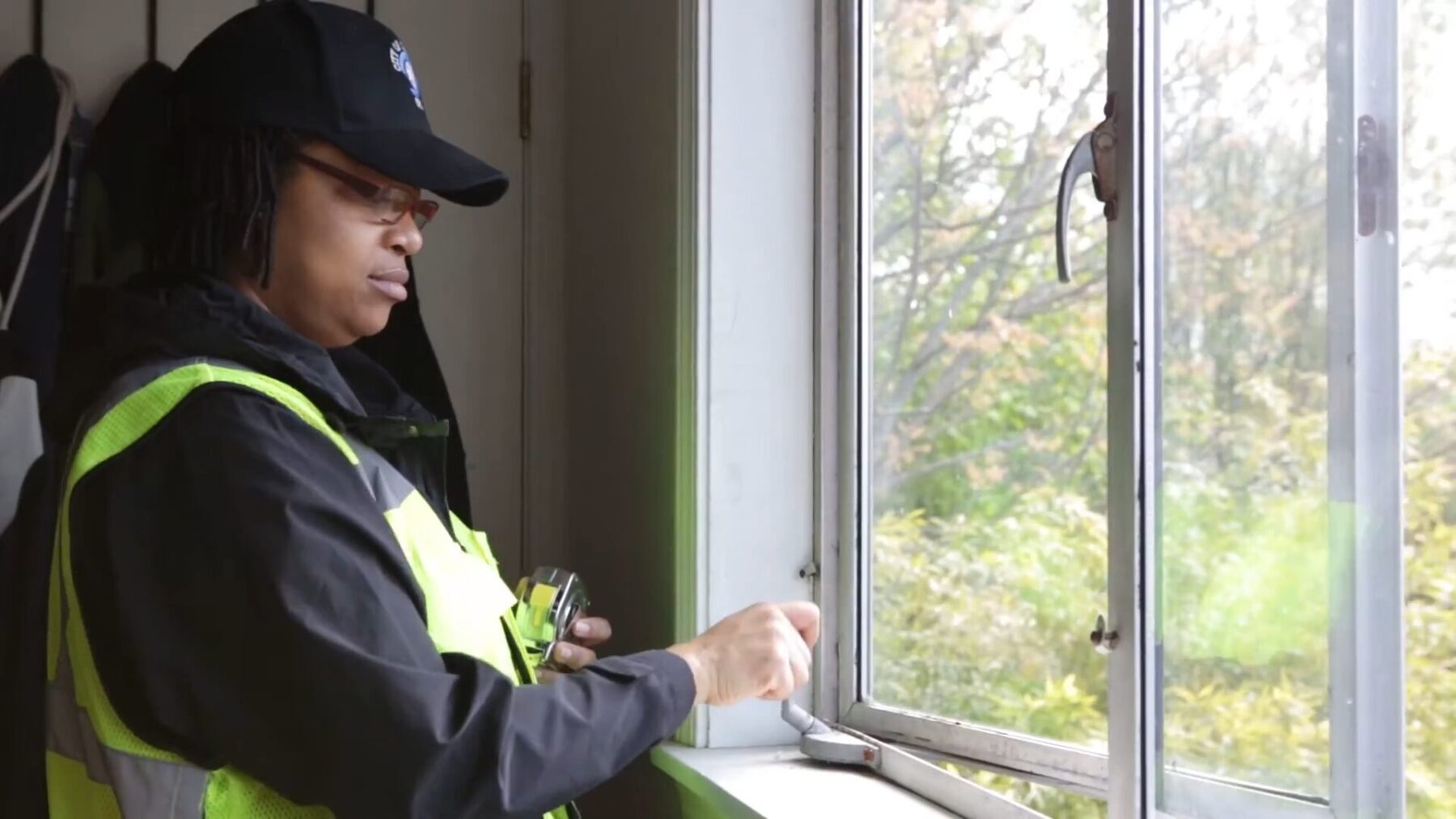
New York City’s code enforcement system relies overwhelmingly on tenant complaints, rather than proactive inspection. HPD, the City’s primary enforcement agency for the housing maintenance code, lacks the administrative powers that are available to most other city agencies, forcing it into a slow, civil court-based process where penalties are difficult to impose and collect. The result is a system where well-documented violations may or may not lead to repairs, and where the indignities and burden of inadequate housing falls disproportionately on tenants in the Bronx, Upper Manhattan, and Central Brooklyn.
To identify new paths forward, this report examines five case studies: the administrative enforcement mechanisms in Camden, London; cyclical, proactive inspection programs in Los Angeles and Seattle; a rent escrow program used in Los Angeles; LA County Department of Public Health’s interdisciplinary inspection teams; and San Francisco’s three decades of experience with effective community partnerships. Clear findings and recommendations emerge from these case studies for consideration in New York City.
Why This Matters
After years of enduring unsafe conditions and navigating an insufficient enforcement apparatus, many tenants have lost faith in the current system. For the system to work, the City has to restore faith in and rebuild trust with tenants — which requires taking meaningful action. Mayor Mamdani’s administration has proposed notable initiatives to improve the City’s code enforcement response, including an interagency taskforce to tackle conditions in portfolios where tenants have dealt with landlord neglect for years.
While promising, these efforts will not transform the system on their own, and we should think expansively about what other approaches can work in New York. In searching for solutions, it is possible to get stuck in a New York City-centric mindset, but New Yorkers are not alone in facing challenges with housing maintenance and we should take the opportunity to learn from innovative approaches elsewhere. While the case studies presented in the report are not comprehensive, they represent a point of departure for more ambitious reform efforts.
What We’re Doing
-
- Code enforcement campaign: in collaboration with our members, ANHD is organizing for major reforms to New York City’s code enforcement system. To get involved, contact Will Depoo: Will.D[at]anhd.org.
- Research: this report is part of ongoing research on New York City’s code enforcement system and best practices in code enforcement. That work includes supporting a participatory action research project (PAR) conducted by ANHD members in collaboration with TakeRoot Justice. Over summer 2026, the PAR groups will survey members about experiences with the city’s code enforcement system that will be the basis of a report scheduled to be released in Fall 2026.
Click the “Download” button at the top of this page to read the full report.